I Don't Trust the Internet Anymore — Here's What Will Make It Better
- ai
- storytelling
- authenticity
- trust
- technology
I can no longer trust anything on the internet.
And no, this isn't another AI-written blog. What you're reading are real, heartfelt thoughts and ideas. So grab a cup of tea and relax while you read.
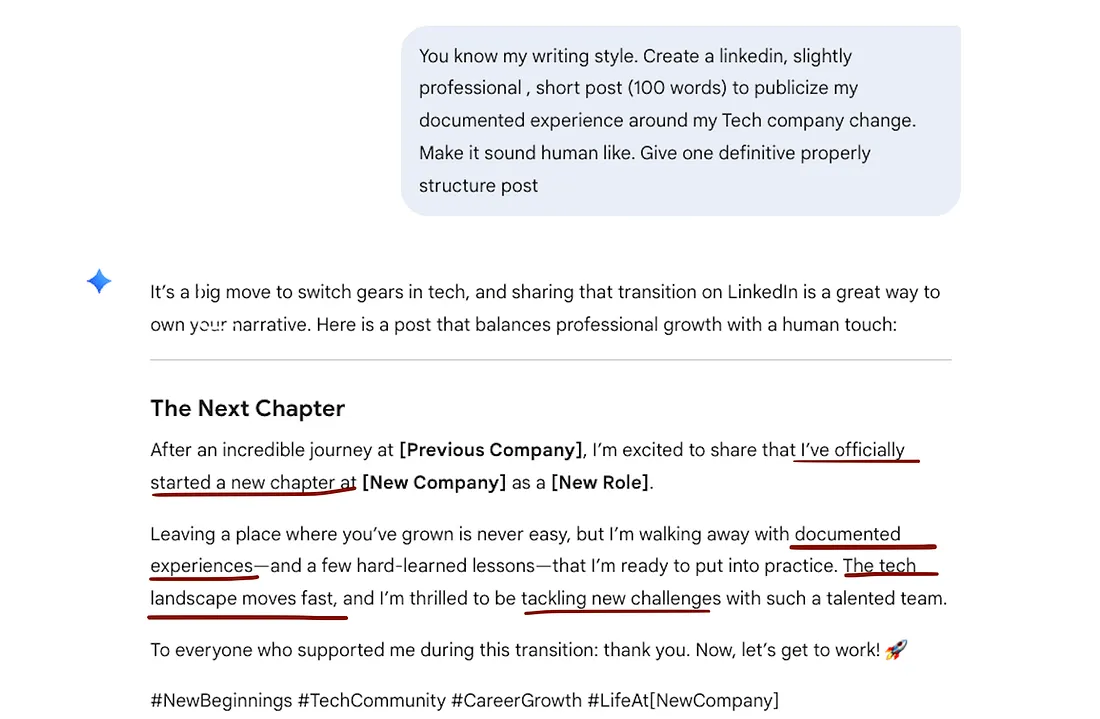
Yesterday, I asked AI to create a LinkedIn post to promote a document I wanted to share with my followers. ChatGPT is familiar with my writing style, so I asked it to humanize the post and write it in my style.
What it gave me back were fancy, engaging words strung together to sound polished and articulate — but in reality, they were just a blend of creative jargon. It didn't sound like me. It sounded like a persona who could never go wrong.
Don't get me wrong — I'm not against AI. In fact, it's something I genuinely love using at work. It helps me move faster and gives me time back, so I can protect what I truly care about: my hobbies and my family.
But I don't quite like the idea of using AI to pretend to be creative. I don't like using it to replace your own thoughts, feelings, and the way you naturally put words together — the very things that speak volumes about who you are.
When I log into Medium, LinkedIn, or Instagram, I want to understand another person's perspective — not consume some AI-generated word salad pretending to have an opinion.
In the world of AI, everyone is the same. But you always have the chance to be different.
Storytelling is the path to personalization, and owning what you create
Nowadays, almost every alternate advertisement on the internet — especially the YouTube ad fillers — is AI generated. How do you spot one though?
- Blurred backgrounds, stock footage, overly generic sentences
- An apparent warmth, but no real personalization
- Language that plays it extremely safe — polished, inoffensive, and forgettable
- Shorter video frames put together
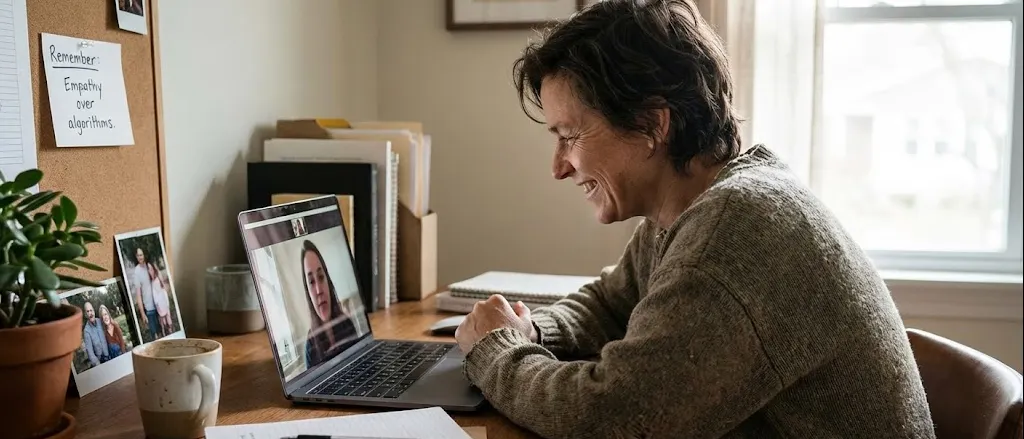
More importantly, when you see one, you just know.
That's because of the fine line between human empathy and artificial emotion. The real art lies in connecting logic with lived emotion — and that's what still makes us different.
In this era of tech-created perfection, how do you make yourself, or your product, stand out? By being imperfect.
Imperfection is human. It's natural — and that's exactly what appeals to us.
We relate to stories of failure, of hard work that didn't pay off at first, of losses, quiet doubts, small wins, and unexpected joys.
We connect with messy journeys, wrong turns, unfinished thoughts, and lessons learned the hard way. That's where empathy lives — and that's something no perfectly generated output can fake.
Genuineness combined with a story helps build an emotional connection. This connection will bring in the power of being able to relate to your product. It'll have a story — a thought and a reason that drives it, not auto-generated jargon.
Airbnb perfected storytelling and built a huge customer base by being raw and unfiltered
It did not begin with perfect copy or a confident narrative. It began with uncertainty. Two founders could not afford rent. A city was out of hotel rooms. Air mattresses on a living room floor became a solution — not scalable, not impressive.
Just honest.
Early Airbnb felt risky. Letting strangers into your home always does. The internet did not make that fear disappear.
People had questions. Doubts. Hesitation. Airbnb did not hide that discomfort behind polished language. They addressed it head on. Better photos. Real host stories. Safety features built because users asked for them.
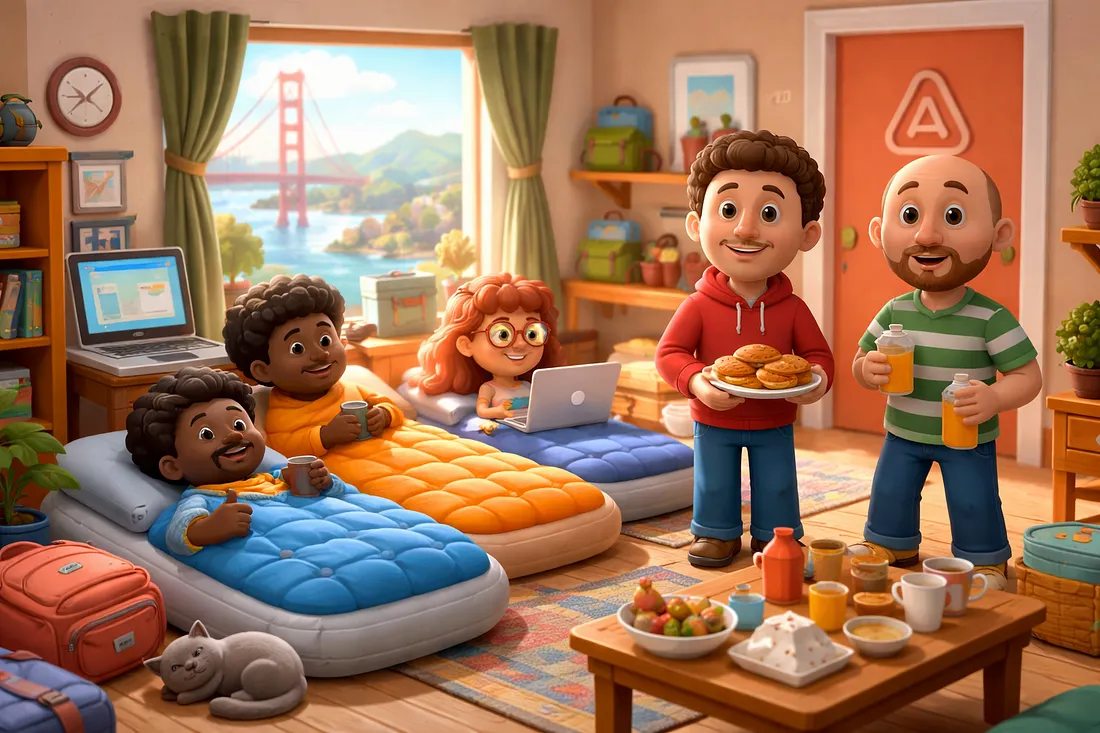
Trust was not manufactured. It was earned slowly. Through listening. Through showing up. Through acknowledging that this could go wrong.
What made Airbnb work was not the platform. It was the stories. Stories of first stays. Awkward check-ins. Shared meals. Small human connections that turned fear into familiarity.
Today, the internet is louder and more perfect than ever. But Airbnb's early growth reminds us of something important.
When everything sounds optimized, honesty stands out. When perfection feels artificial, real stories still make us feel safe.
What struck me most about Airbnb's early story is how unfamiliar it feels today. The internet no longer rewards uncertainty or honesty.
It rewards confidence, polish, and perfection. That contrast made me realize why trust feels so fragile now. We moved from sharing stories to performing them.